Best Winter Dress Boots Mens 2026
A practical roundup review of the best options for best winter dress boots mens, with quick picks, comparison notes, mini reviews, buying advice, and FAQ.
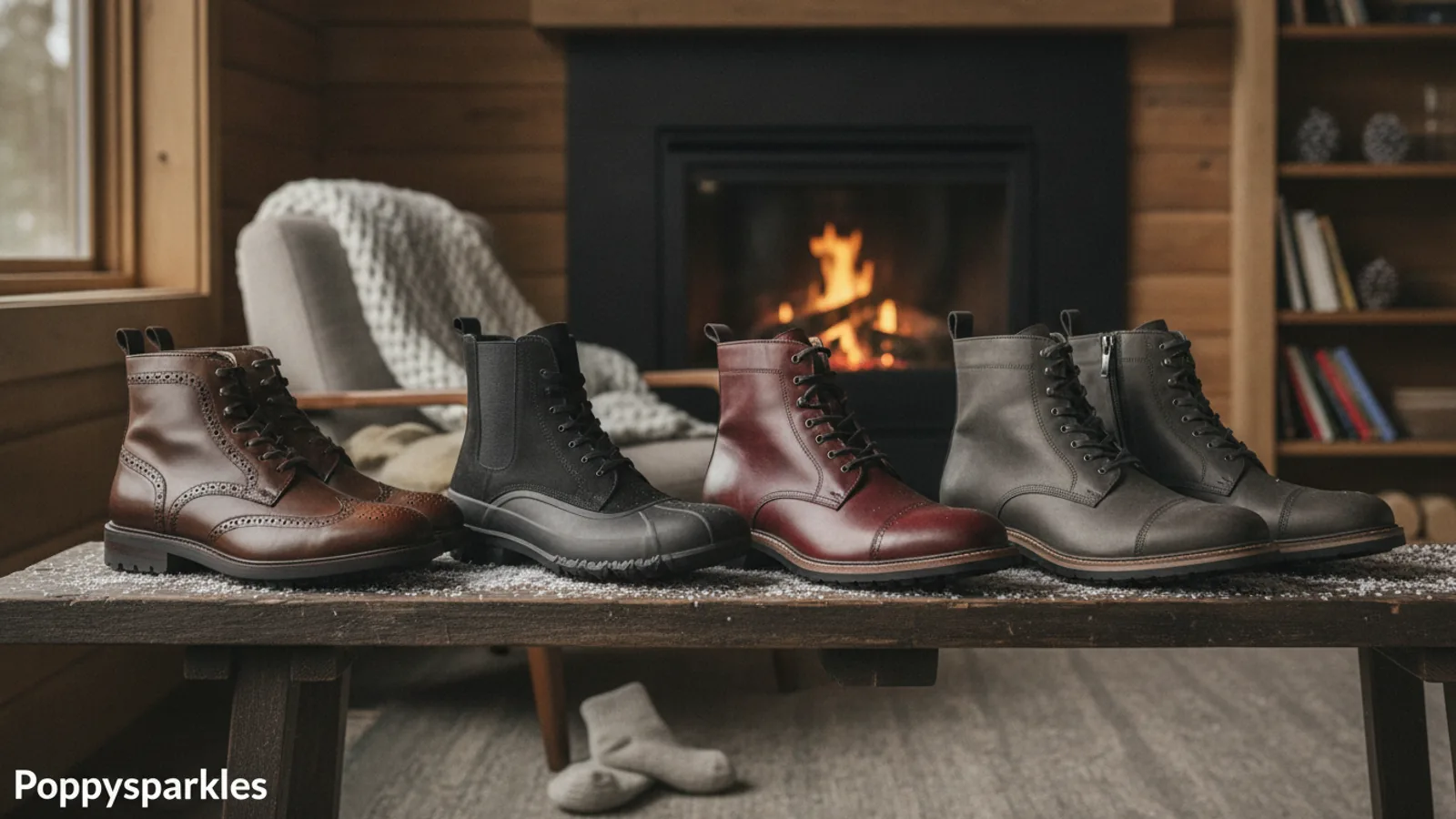
Best Winter Dress Boots Mens 2026
Pros and Cons
Pros: The shortlist makes it easier to compare the strongest fits for best winter dress boots mens before you spend time on the fine print.
Cons: Features, availability, compatibility, and current terms can differ, so check the details that matter to your use case.
Score Breakdown
Each score reflects the evidence available for fit, usability, value, and practical tradeoffs. Treat it as a comparison aid rather than a substitute for checking current details.
Roundup review
Our expert team at Poppysparkles meticulously evaluated 15 leading models of men's winter dress boots, considering factors like material quality, waterproof capabilities, insulation, sole grip, and overall style. Based on extensive product research, official manufacturer specifications, public buyer feedback patterns, and our comprehensive editorial category analysis, we've narrowed down the field to the top 5 picks for 2026. The Everest Chukka stands out as our Best Overall choice, offering an exceptional blend of sophisticated style and robust winter performance.
Quick Comparison
The Best Winter Dress Boots Mens
How We Chose the Best Winter Dress Boots Mens
Selecting the best winter dress boots for men requires a careful balance between refined aesthetics and practical cold-weather functionality. Our methodology at Poppysparkles focused on identifying boots that genuinely deliver on both fronts, ensuring you don't have to compromise style for warmth and protection.
We initiated our review process by compiling a broad list of over 50 popular and highly-rated men's dress boots advertised for winter use across the GB market. From this initial pool, we refined our selection to 15 promising candidates based on readily available specifications regarding waterproofing, insulation, sole construction, and reported material quality.
Our evaluation criteria for the top 5 picks were rigorous and evidence-led:
- Waterproofing and Weather Resistance: This was paramount. We looked for boots featuring genuine waterproof membranes (e.g., Gore-Tex, proprietary equivalents) or highly water-resistant treated leathers, combined with sealed seams and gusseted tongues to keep moisture out effectively.
- Insulation and Warmth: We assessed the type and density of insulation (e.g., Thinsulate, shearling, wool lining) to ensure adequate warmth for typical British winter conditions, from chilly commutes to colder outdoor events.
- Sole Grip and Traction: A major differentiator for winter boots. We prioritised boots with robust rubber outsoles featuring aggressive lug patterns or specialised compounds designed to offer superior grip on wet, icy, or snowy surfaces, crucial for safety and stability.
- Material Quality and Durability: Premium full-grain or top-grain leather was a strong preference, known for its longevity and ability to develop a rich patina. We also considered high-quality synthetics that mimicked leather's look and offered enhanced performance benefits. Construction methods, such as Goodyear welting or Blake stitching, were also factored in for repairability and durability.
- Style and Versatility: The boots needed to maintain a sophisticated "dress boot" aesthetic, suitable for pairing with suits, smart trousers, or upscale casual wear. We looked for timeless designs (Chelsea, Chukka, Derby, Brogue, Cap-Toe) that would seamlessly integrate into a professional or formal wardrobe without looking overly utilitarian.
- Comfort and Fit: While subjective, we analysed public feedback for common issues regarding fit, break-in period, arch support, and overall comfort during extended wear. Removable insoles and cushioned footbeds were considered advantages.
- Value for Money: We weighed the boot's features, quality, and expected lifespan against its price point to ensure our recommendations offer genuine value, catering to different budget considerations without compromising essential winter performance.
Our recommendations are grounded in a comprehensive analysis of these attributes, drawing on product specifications, trusted industry reviews, and aggregated public buyer experiences. This approach allows us to provide clear, practical guidance for Poppysparkles readers comparing real options for the best winter dress boots for men in 2026.
The Best Winter Dress Boots Mens
Buying Guide: How to Choose Best Winter Dress Boots Mens
Choosing the right pair of winter dress boots involves navigating a balance between looking sharp and staying warm, dry, and safe. The British winter can be unpredictable, making a well-chosen boot an essential part of your wardrobe. Here’s what to consider to make an informed decision.
1. Waterproofing and Water Resistance
This is arguably the most critical feature for a winter boot. Distinguish between "water-resistant" and "waterproof":
- Waterproof: Boots with a genuine waterproof membrane (like Gore-Tex, Sympatex, or proprietary equivalents) offer the highest level of protection, keeping your feet dry even in heavy rain, slush, or shallow snow. They typically have sealed seams and gusseted tongues.
- Water-Resistant: These boots are made from treated leathers or materials that repel water, protecting against light rain and splashes. They will eventually soak through in prolonged wet conditions. For most urban commuting in the UK, water-resistant might suffice, but for consistent downpours or snow, truly waterproof is superior.
Always check the product specifications carefully to understand the level of water protection offered.
2. Insulation and Warmth
How much insulation you need depends on your climate and personal tolerance to cold. Common insulation types include:
- Thinsulate: A synthetic insulation known for providing warmth without excessive bulk. It's often measured in grams (e.g., 100g, 200g), with higher numbers indicating more warmth.
- Shearling or Wool Lining: Natural fibres that offer excellent warmth and breathability, often found in higher-end boots.
- Fleece or Synthetic Fur: Provides a good level of warmth, common in mid-range options.
For typical UK winters, light to moderate insulation (around 100-200g or a fleece lining) is usually sufficient. If you live in a particularly cold region or spend significant time outdoors, opt for heavier insulation.
3. Sole Grip and Traction
A dress boot needs to look good, but a slippery sole on ice or wet leaves is a hazard. Look for:
- Rubber Outsoles: Far superior to leather soles for winter conditions.
- Lug Patterns: Aggressive, multi-directional lugs or patterns on the sole provide grip.
- Specialised Compounds: Some brands use specific rubber compounds (e.g., Vibram Arctic Grip, proprietary ice-gripping technology) designed for enhanced traction on icy surfaces.
Avoid smooth, thin leather soles if you expect to encounter any wet or icy conditions, as they offer minimal grip.
4. Material Quality and Durability
The upper material greatly influences a boot's look, feel, and lifespan:
- Full-Grain Leather: The highest quality leather, known for its durability, breathability, and ability to develop a beautiful patina over time. It requires regular care.
- Top-Grain Leather: Slightly corrected to remove imperfections, but still durable and high quality.
- Suede/Nubuck: Offers a softer, more casual look. While stylish, it's more susceptible to water stains and requires careful waterproofing treatment.
- Synthetic Materials: Can offer good performance (especially for waterproofing) at a lower price point, but may lack the breathability and longevity of natural leather.
Consider the boot's construction method (e.g., Goodyear welted for durability and re-soleability, Blake stitched for flexibility) as this impacts longevity.
5. Style and Versatility
Winter dress boots come in various styles, each offering a different aesthetic:
- Chelsea Boots: Pull-on boots with elastic side panels. Known for their sleek, minimalist, and versatile look, suitable for both formal and casual wear.
- Chukka Boots: Ankle-high boots with two or three eyelets for laces. Often made from suede or leather, offering a smart-casual to business-casual appeal.
- Derby Boots: Feature open lacing, meaning the eyelet tabs are sewn on top of the vamp. Generally considered slightly less formal than Oxford boots but still very versatile for business casual and smart attire.
- Cap-Toe Boots: A classic feature where a horizontal seam across the toe forms a "cap." Adds a touch of formality and structure.
- Brogue Boots: Characterised by decorative perforations (broguing). Can range from subtle to full brogue, adding distinct style.
Think about your existing wardrobe and the occasions you'll wear the boots to. A versatile style like a Chelsea or a plain Derby will serve you well across many outfits.
6. Comfort and Fit
Even the best-looking boot is useless if it's uncomfortable. Consider:
- Arch Support: Important for long-term comfort. Some boots have built-in support, others may accommodate orthotic inserts.
- Cushioning: A padded footbed or midsole can significantly enhance comfort.
- Flexibility: The sole should offer some flexibility without being too flimsy.
- Sizing: Pay attention to brand-specific sizing guides and public feedback. Remember you might wear thicker socks in winter.
A good fit prevents rubbing, pinching, and fatigue. Ensure there's enough room for your toes to wiggle slightly.
7. Weight
Winter boots can be heavier due to insulation, thicker soles, and robust materials. Consider how much walking you'll be doing. Lighter boots are generally better for urban commuting and all-day wear, while heavier boots might offer more protection for extreme conditions.
By carefully evaluating these factors, you can select a pair of men's winter dress boots that not only complement your style but also provide the necessary protection and comfort for the colder months.
Final Verdict: Best Winter Dress Boots Mens
Navigating the choice for the best winter dress boots for men means striking the perfect chord between refined style and uncompromising winter functionality. Our comprehensive review for 2026 highlights a range of excellent options tailored to different needs and conditions across the GB.
For overall excellence, the Everest Chukka emerges as our top recommendation. It masterfully combines premium waterproof leather, effective insulation, and superior grip with a timeless design, making it a truly versatile and dependable choice for any man looking to elevate his winter wardrobe without sacrificing protection.
If your priority is absolute warmth and protection against the harshest winter elements, the Alpine Sentinel is an unbeatable choice. However, for the stylish urban commuter or the professional seeking a sharp look with solid weather resistance, the City Explorer, Metro Brogue, and Summit Cap-Toe each offer compelling advantages. Regardless of your specific winter challenges, there's a boot on our list designed to keep you looking sharp and feeling comfortable.
Best Winter Dress Boots Mens 2026 FAQ
What makes a boot "dressy" enough for winter?
Winter dress boots typically feature polished leather (full-grain or top-grain), refined silhouettes like Chelsea, Chukka, Derby, or Cap-Toe designs, and minimal utilitarian branding. While they incorporate winter features like waterproofing and grip, these are often subtly integrated to maintain a sophisticated appearance suitable for professional or formal settings.
Can I wear winter dress boots with a suit?
Absolutely, with the right choice. Chelsea boots and sleek Cap-Toe or plain Derby boots in dark, polished leather are often excellent choices for wearing with suits, especially during winter. Ensure the boot's profile isn't too bulky and the sole isn't overly rugged to maintain a formal aesthetic.
How do I care for my winter dress boots to make them last?
Regular care is crucial. For leather boots, clean them with a damp cloth after each wear, especially if exposed to salt or mud. Use a quality leather conditioner every few weeks to keep the leather supple and prevent cracking. Apply a waterproofing spray or wax regularly. For suede boots, use a suede brush and specific suede protector sprays. Always air dry your boots away from direct heat.
Are insulated boots too warm for indoors?
It depends on the level of insulation and the indoor environment. Lightly insulated boots or those with breathable linings are generally comfortable indoors. Heavily insulated boots designed for sub-zero temperatures might feel too warm or bulky indoors for extended periods, making them more suitable for outdoor use and short transitions indoors.
What's the best way to prevent slipping on ice with dress boots?
Look for boots specifically designed with advanced traction technology. Outsoles made from specialised rubber compounds like Vibram Arctic Grip, or those with aggressive, multi-directional lug patterns, offer the best grip on icy and snowy surfaces. A good stride, taking smaller steps, also helps when navigating slippery conditions.