Kimono vs Yukata: Which Should You Choose?
A practical head-to-head comparison of Kimono and Yukata, covering quick verdict, key differences, category winners, buyer fit, and FAQ.
Kimono vs Yukata: Which Should You Choose?
Head-to-head comparison
Overall winner: Yukata for its accessibility, comfort, and affordability.
The Yukata stands out as the practical choice for most seeking traditional Japanese wear, especially for summer events. The Kimono, while unmatched in formality and artistry, requires a significant investment in both cost and learning to wear correctly.
Head-to-Head Scorecard
Kimono vs Yukata: Key Differences
Understanding the distinction between a kimono and a yukata is crucial when deciding which traditional Japanese garment best suits your needs. While both are traditional wraps worn by Japanese people for centuries, they serve different purposes, are made from distinct materials, and require varying levels of formality and effort to wear. Our comparison is based on extensive product research, official information, public feedback patterns, and editorial analysis to give you the clearest guidance in 2026.
Fabric and Lining
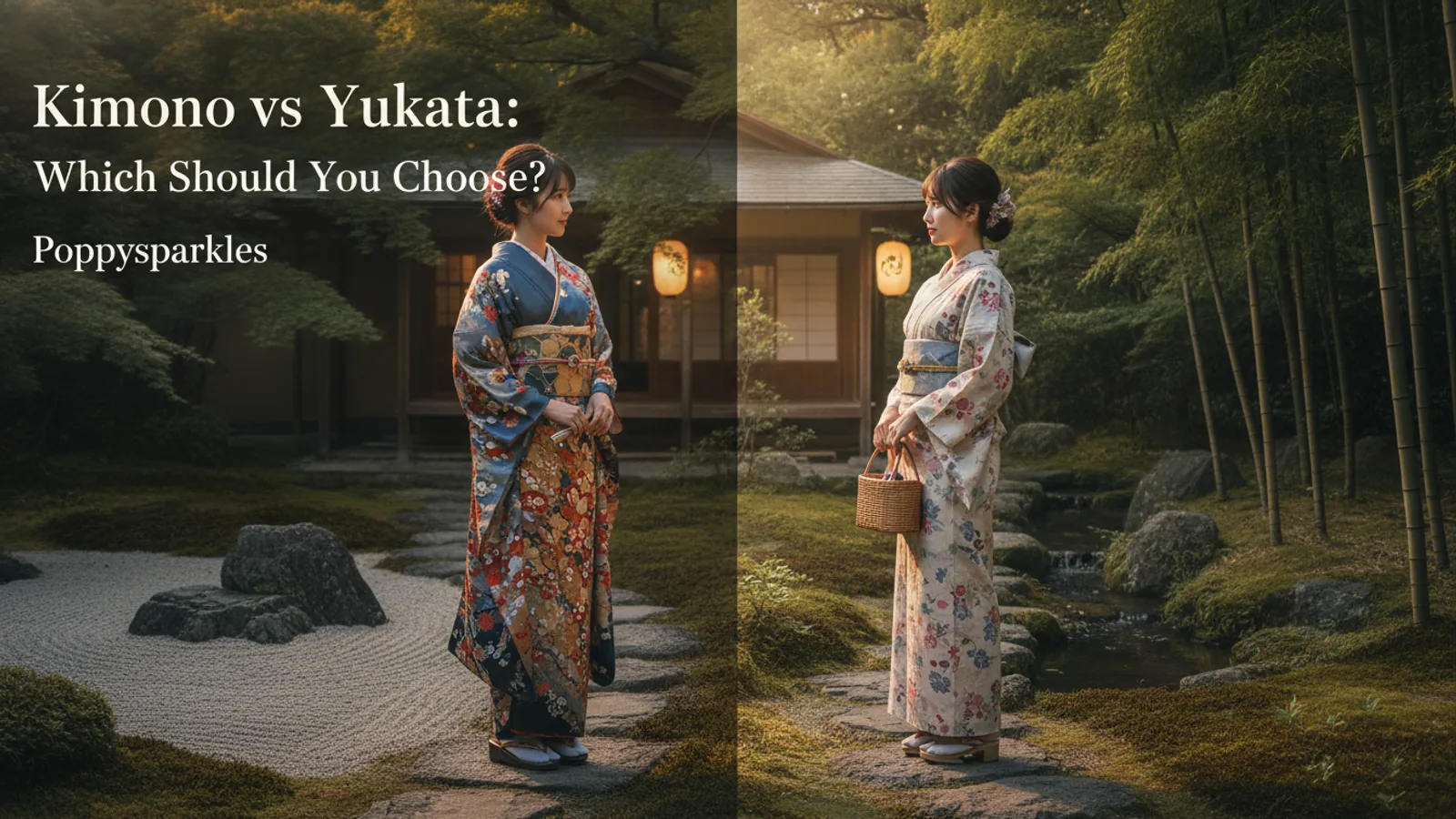
- Kimono: Traditionally made from luxurious materials such as silk, linen, or high-quality wool, though modern synthetics are also used. Kimonos are often lined, especially for cooler weather, providing structure and warmth. The quality and type of fabric directly correlate with its formality and price.
- Yukata: Primarily crafted from breathable, lightweight cotton, linen, or hemp, and are always unlined. This makes them ideal for hot, humid Japanese summers, offering comfort and ease of movement.
Layers and Undergarments
- Kimono: Wearing a kimono is a multi-layered affair. It typically involves an undergarment called a juban (a type of under-kimono), multiple ties (koshihimo), and sometimes additional padding or sashes (datejime) to create the desired silhouette. This complex layering adds to its elegance but also its dressing time.
- Yukata: A yukata is designed for simplicity. It's generally worn as a single layer over simple underwear, or sometimes with a light cotton inner garment (similar to a slip) to prevent sweat from staining the yukata directly.
Occasion and Formality
- Kimono: Kimonos are considered formal wear, suitable for significant life events and traditional ceremonies. This includes weddings, coming-of-age ceremonies, tea ceremonies, formal parties, and traditional arts performances. The intricate designs, quality of fabric, and complex layering signify respect and adherence to tradition.
- Yukata: Yukatas are the epitome of casual summer attire. They are perfect for summer festivals (matsuri), fireworks displays, trips to hot springs (onsen), or simply relaxing at home. While they embody traditional aesthetics, their light and comfortable nature positions them firmly as informal wear.
Collar (Eri)
- Kimono: The kimono's collar is typically soft and part of the juban, often featuring intricate embroidery or contrasting colours. When worn, the juban collar peeks out from beneath the kimono's main collar, creating a layered effect.
- Yukata: Yukatas feature a firmer, simpler collar, often in a darker, contrasting colour to the main fabric. It is a single layer, less padded, and designed for a cleaner, more casual look.
Sleeves (Sode)
- Kimono: Kimono sleeves vary significantly in length and style depending on the wearer's age, marital status, and the kimono's formality. Long, sweeping sleeves (furisode) are common for unmarried women at formal events, while shorter sleeves are for married women or more casual kimonos.
- Yukata: Yukata sleeves are generally shorter and wider than formal kimono sleeves, designed for practicality and to allow airflow in warm weather.
Obi (Sash)
- Kimono: The obi worn with a kimono is often a piece of art itself, made from rich silk or brocade, and can be very elaborate and costly. Tying a formal kimono obi requires specific skills and can be quite complex, often involving intricate knots and considerable time.
- Yukata: Yukata obi are simpler, softer, and typically made from cotton or polyester. They are much easier to tie, often using pre-tied knots or simpler styles that can be managed without assistance, reflecting the garment's casual nature.
Footwear
- Kimono: Kimonos are traditionally paired with zori (formal sandals) and tabi (split-toe socks).
- Yukata: Yukatas are typically worn with geta (wooden clogs) and often without tabi socks, especially in casual summer settings.
Measurement Winners for Kimono vs Yukata
Measurement
Routine Fit (Ease of Wearing)
For individuals new to traditional Japanese attire or those seeking a comfortable, no-fuss option, the ease of wearing is a primary concern. A kimono, with its multiple layers, specific undergarments like the juban, and precise wrapping techniques, demands considerable time and often assistance to don correctly. Each layer must be adjusted, and numerous ties secured to achieve the desired traditional silhouette. This complexity makes it less practical for spontaneous wear or for those unfamiliar with the intricate process. In contrast, the yukata's design prioritises simplicity. It is a single-layer garment, typically worn over basic undergarments, and can be wrapped and secured with a simpler obi quickly and independently. This makes it far more accessible for everyday summer use or casual events.
Measurement
Formula or Feature (Formality & Craftsmanship)
When it comes to formality and the pinnacle of traditional Japanese craftsmanship, the kimono stands in a league of its own. Kimonos are often crafted from exquisite materials such as pure silk, intricate brocade, or fine linen, frequently featuring hand-painted designs, elaborate embroidery, or traditional dyeing techniques like Yuzen. The sheer artistry involved in creating a high-quality kimono, from the weaving to the finishing, is immense. It's designed for grand occasions, reflecting status, tradition, and respect. Yukatas, while culturally significant, are made from simpler, mass-producible materials like cotton or synthetic blends, with designs that are typically printed rather than hand-applied. Their feature set is geared towards comfort and seasonal practicality rather than the ceremonial gravitas of a kimono.
Measurement
Ease of Use (Dressing Complexity)
The learning curve for dressing in traditional Japanese attire can be steep, and this is where the contrast between kimono and yukata is most apparent. A kimono ensemble requires not just the kimono itself but also a juban (under-kimono), multiple koshihimo (ties), a datejime (firm sash), sometimes obijime and obiage (decorative cords and scarves), and a complex obi that often requires specific tying techniques or even professional assistance. Mastering the art of dressing in a kimono can take years of practice. The yukata, on the other hand, is a vastly simpler garment to wear. It typically involves just the yukata and a relatively simple obi, which can be tied in basic knots or purchased pre-tied. This makes the yukata an incredibly user-friendly option for those who want to experience traditional Japanese dress without the extensive commitment.
Measurement
Value (Cost & Accessibility)
Cost is a major differentiating factor that impacts accessibility for many potential buyers. A traditional, high-quality silk kimono, especially one for formal events, can cost hundreds to thousands of pounds, often representing a significant investment comparable to a tailored suit or a designer gown. These are often heirloom pieces. Beyond the kimono itself, the necessary accessories like a silk obi, juban, and zori add substantially to the overall expense. Yukatas, however, are designed to be an accessible, seasonal garment. Made from cotton or linen, they are considerably more affordable, with many options available for under £100-£200. This lower price point, combined with simpler accessories, makes the yukata an excellent value for those looking to enjoy traditional Japanese aesthetics without a prohibitive financial outlay.
Measurement
Buyer Confidence (Beginner-Friendliness)
For someone venturing into the world of Japanese traditional clothing for the first time, the sheer complexity and cost associated with kimonos can be daunting. There's a lot to learn about proper etiquette, seasonality, and the intricate dressing process, which can lead to hesitation and uncertainty. The yukata offers a much gentler introduction. Its casual nature means there's less pressure regarding absolute perfection in dressing or strict adherence to specific formalities. The lower cost also reduces the financial risk for beginners. Furthermore, yukata designs are often more contemporary and vibrant, appealing to a broader audience without sacrificing traditional charm. This approachable nature makes it a confident choice for first-time buyers or those simply exploring their interest.
Measurement
Seasonal Suitability & Comfort
The primary design intent of the yukata is rooted in comfort and suitability for hot weather. Its unlined construction and use of breathable fabrics like cotton or linen make it perfectly adapted for the humid Japanese summer, or any warm climate. It allows for airflow and feels light against the skin, making it an ideal choice for outdoor festivals, lounging, or after a bath. Kimonos, while versatile with different fabrics for various seasons, are generally more substantial. Silk kimonos, especially those with lining or multiple layers, can be quite warm. While there are lighter, unlined kimonos for warmer months, the yukata's inherent design is specifically optimised for heat and humidity, prioritising cooling comfort above all else.
Measurement
Cultural Significance & Artistry
Both kimono and yukata hold significant cultural value within Japan, but they represent different facets of that heritage. The kimono is unequivocally the more profound symbol of Japanese culture, history, and textile art. It is often passed down through generations, embodying family legacy and tradition. The techniques used in its creation—from weaving to dyeing and embroidery—are often centuries old, making each kimono a wearable piece of art. It signifies profound respect and adherence to tradition at the most formal occasions. While the yukata has its place in summer traditions and conveys a relaxed, festive spirit, it does not carry the same weight of historical artistry or formality. Its cultural role is more about seasonal enjoyment and accessibility rather than deep ceremonial importance or artisanal mastery.
Choose Kimono If
You should choose a Kimono if:
- You are attending a highly formal event, such as a wedding, traditional ceremony, or a formal tea ceremony, where elegance and respect for tradition are paramount.
- You deeply appreciate traditional Japanese textile art and craftsmanship, and you are looking for an investment piece that may be an heirloom.
- You are prepared for the significant financial investment and the time commitment required to learn and master the complex art of dressing in a kimono.
- You desire a garment that can be adapted for various seasons through different fabrics and layering.
- You want to engage with Japanese culture at its most traditional and ceremonial level.
Choose Yukata If
You should choose a Yukata if:
- You are looking for comfortable and stylish attire for casual summer events, such as festivals, fireworks displays, or trips to hot springs.
- You want to experience traditional Japanese wear without the high cost or the extensive effort required for dressing.
- You prioritise breathability and comfort in warm, humid weather.
- You are a beginner to Japanese traditional clothing and want an easy, accessible entry point.
- You appreciate simpler designs and the freedom of movement offered by a single-layer garment.
Final Verdict: Kimono vs Yukata
In the perennial debate of Kimono vs Yukata, the choice ultimately hinges on your specific needs, occasion, and budget. For the vast majority of individuals in the GB market seeking to engage with traditional Japanese attire in a practical and enjoyable way, the Yukata emerges as the clear winner. Its affordability, comfort, and straightforward wearing process make it an ideal choice for summer events and casual enjoyment.
However, the Kimono holds an undeniable reign when it comes to formal elegance, profound cultural significance, and artisanal mastery. It is an investment in heritage and an expression of deep respect for tradition, unparalleled for significant life ceremonies. While more demanding in every aspect, its allure for those seeking the ultimate in Japanese traditional fashion remains.
Ultimately, both garments offer a beautiful connection to Japanese culture. Your decision should be guided by whether you prioritise casual comfort and accessibility (Yukata) or formal grandeur and artistic tradition (Kimono). Based on product research, official information, public feedback patterns, and editorial analysis, we recommend the Yukata for most general purposes, while acknowledging the Kimono's superior role in formal and ceremonial contexts.
Kimono vs Yukata: Which Should You Choose? FAQ
Can I wear a yukata in winter?
No, yukatas are specifically designed for warm weather due to their lightweight, unlined fabric. They are not suitable for winter and are traditionally worn during summer festivals or as loungewear in warmer settings.
Is a kimono formal wear?
Yes, kimonos are considered highly formal wear, especially those made from silk with elaborate designs. They are worn for significant life events like weddings, coming-of-age ceremonies, and formal traditional gatherings. The level of formality can vary based on fabric, pattern, and sleeve length.
What is the main difference in fabric between a kimono and a yukata?
The main difference is that kimonos are typically made from luxurious materials like silk, linen, or fine wool and are often lined, making them suitable for various seasons. Yukatas, conversely, are primarily made from breathable, unlined cotton, linen, or hemp, designed for comfort in hot summer weather.
Is it difficult to put on a kimono?
Yes, putting on a kimono correctly is generally considered difficult and often requires practice or assistance. It involves multiple layers, specific undergarments, numerous ties, and an elaborate obi, all of which need to be arranged precisely to achieve the traditional silhouette.
Can non-Japanese people wear kimonos or yukatas?
Yes, non-Japanese people can respectfully wear kimonos and yukatas. It is generally seen as an appreciation of Japanese culture. The key is to wear them correctly and in appropriate settings, understanding their cultural significance, rather than as a costume.