Gold Plated vs Gold Filled: Which Should You Choose?
A practical head-to-head comparison of Gold Plated and Gold Filled, covering quick verdict, key differences, category winners, buyer fit, and FAQ.
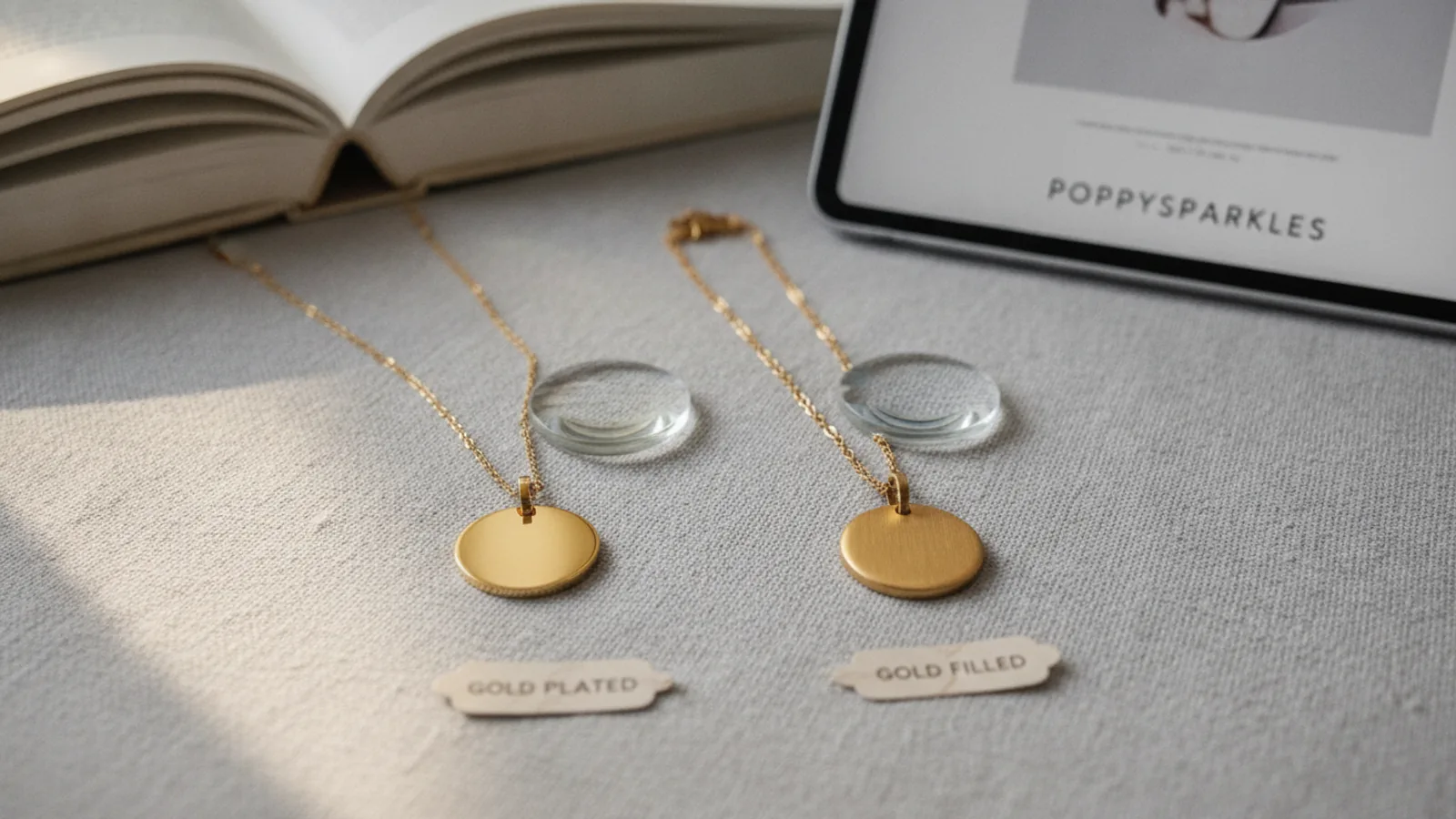
Gold Plated vs Gold Filled: Which Should You Choose?
Head-to-head comparison
Overall winner: Gold Filled for superior durability and long-term value.
For those seeking affordable gold-look jewellery for occasional wear or trending styles, gold plated items offer an excellent entry point. However, if you prioritise longevity, resistance to tarnishing, and a better return on your investment for everyday pieces, gold filled is the clear choice, offering a much thicker layer of real gold without the solid gold price tag.
Head-to-Head Scorecard
Choosing between gold plated and gold filled jewellery can be a tricky decision, especially with so many options available in 2026. While both offer the aesthetic appeal of gold without the high cost of solid gold, their underlying construction and performance differ significantly. This guide, based on product research, official information, public feedback patterns, and editorial analysis, breaks down the key distinctions to help you make an informed choice that suits your budget, lifestyle, and expectations.
Gold Plated vs Gold Filled: Key Differences
The primary distinction between gold plated and gold filled jewellery lies in the amount of gold present and how it's applied. These differences directly impact durability, appearance retention, and overall value.
- Gold Plated: This refers to a base metal (often copper, brass, or sterling silver) that has a microscopic layer of gold deposited onto its surface through an electroplating process. The gold layer is extremely thin, typically 0.05% of the item's total weight or less.
- Gold Filled: This involves mechanically bonding a thick layer of real gold (usually 5% of the item's total weight) to a base metal core, often brass or sterling silver, using heat and pressure. The gold layer is hundreds of times thicker than plating, making it far more durable and resistant to wear.
This fundamental difference in construction dictates how each type of jewellery will perform over time, from its resistance to tarnish and wear to its suitability for sensitive skin and its overall longevity.
Measurement Winners for gold plated vs gold filled
Measurement
Durability and Longevity
When it comes to how long your jewellery will maintain its golden appearance and structural integrity, durability is paramount. Gold plated items, with their incredibly thin layer of gold, are highly susceptible to wear and tear. The gold can scratch, chip, and rub off over time, especially in areas of high friction or frequent contact with skin oils, chemicals, and moisture. This process reveals the base metal underneath, leading to discolouration and a loss of the item's golden lustre, often within months or a year of regular use.
Gold filled jewellery, by contrast, boasts a gold layer that is significantly thicker – typically 50 to 100 times thicker than gold plating. This substantial gold layer is mechanically bonded to the base metal, creating a much more robust and long-lasting product. Gold filled items are highly resistant to flaking, chipping, and tarnishing, allowing them to retain their golden appearance for many years, often decades, with proper care. They stand up much better to daily wear and can even withstand occasional exposure to water without immediate degradation.
Measurement
Appearance and Aesthetic Retention
At first glance, both gold plated and gold filled jewellery can offer the beautiful, radiant look of solid gold. The initial aesthetic appeal is often indistinguishable, with both types capable of replicating the various shades of gold (e.g., yellow gold, rose gold) depending on the gold alloy used. However, the crucial difference emerges over time regarding how well they maintain this appearance.
Gold plated items are prone to losing their lustre as the thin gold layer wears away, exposing the underlying base metal. This can result in patchy discolouration, a dulling of the finish, and sometimes a greenish or brassy hue where the gold has vanished. Furthermore, the base metals beneath can react with skin and air, leading to tarnishing and an unsightly appearance.
Gold filled jewellery, due to its much thicker and more robust gold layer, is far superior at retaining its original aesthetic. It resists tarnishing and fading much more effectively, behaving similarly to solid gold in its ability to maintain shine and colour over extended periods. While not impervious to wear, the degradation is significantly slower and less noticeable, meaning your gold filled pieces will continue to look like new for much longer.
Measurement
Hypoallergenic Properties
For individuals with sensitive skin or allergies to certain metals, the hypoallergenic properties of jewellery are a critical consideration. Many base metals, such as nickel or brass, can cause skin irritation, discolouration, or allergic reactions. The presence and thickness of the gold layer play a significant role in preventing these issues.
Gold plated jewellery offers a very thin barrier between your skin and the base metal. While this layer might initially prevent irritation, it wears off relatively quickly. Once the base metal is exposed, it can come into direct contact with the skin, potentially triggering allergic reactions for sensitive individuals. This makes gold plated items a less reliable choice for those with known metal sensitivities, especially for pieces worn frequently.
Gold filled jewellery provides a much more substantial and durable gold barrier. The thick layer of gold effectively encases the base metal, significantly reducing the likelihood of skin contact with potentially irritating alloys. This makes gold filled options a far better choice for people with sensitive skin, as the risk of allergic reactions is much lower and remains low over the long term, even with regular wear. For a genuinely hypoallergenic experience, solid gold or sterling silver are ideal, but gold filled comes a close second in accessible alternatives.
Measurement
Upfront Cost
The initial purchase price is often a deciding factor for many buyers, and here, there's a clear distinction between the two types of jewellery. The cost of gold plating is very low due to the minimal amount of gold used and the relatively simple electroplating process. This makes gold plated jewellery incredibly accessible and affordable, allowing consumers to own a variety of gold-look pieces without a significant financial outlay. It’s an ideal option for experimenting with trends or purchasing fashion-forward items that may not be intended for long-term wear.
Gold filled jewellery, while still considerably less expensive than solid gold, carries a higher upfront cost than gold plated items. This higher price reflects the greater amount of real gold present (5% of the item's total weight) and the more involved mechanical bonding process. The investment is greater, but it is typically justified by the superior durability, longevity, and appearance retention that gold filled pieces offer. You're paying for a product that will last much longer and require less frequent replacement.
Measurement
Value for Money
While upfront cost is one thing, true value for money considers the longevity and performance of an item relative to its price. Gold plated jewellery, despite its low initial cost, often represents poorer long-term value. Its short lifespan means it may need frequent replacement, or it will quickly degrade in appearance, leading to dissatisfaction. If a piece costs £10 but only looks good for six months, its effective monthly cost might be higher than a more expensive but longer-lasting alternative.
Gold filled jewellery, conversely, offers excellent long-term value. While the initial investment is higher, the superior durability and resistance to wear mean that gold filled pieces can last for many years, often a decade or more, with proper care. This extended lifespan reduces the need for frequent replacements, saving money and reducing waste in the long run. When you consider the cost spread over its functional life, gold filled often proves to be the more economical and satisfying choice for durable, everyday jewellery.
Measurement
Care and Maintenance
The level of care required to keep your jewellery looking its best is another practical consideration. Gold plated items demand delicate handling and strict avoidance of chemicals, moisture, and friction to prolong their extremely thin gold layer. Exposure to lotions, perfumes, sweat, and even tap water can accelerate the degradation of the plating, leading to rapid tarnishing or flaking. Regular cleaning with a soft, dry cloth is essential, and storing pieces separately to prevent scratching is advised. This high maintenance requirement can be a significant drawback for daily wear.
Gold filled jewellery is considerably easier to care for. While it still benefits from thoughtful handling – avoiding harsh chemicals, for instance – its robust gold layer is much more forgiving. It can withstand casual exposure to water and light wear without immediate damage. Cleaning typically involves a mild soap and water solution, followed by gentle drying, similar to solid gold jewellery. Its resilience means less worry about everyday activities affecting its appearance, making it a more practical choice for those who prefer low-maintenance accessories.
Choose Gold Plated If
- Your budget is very limited: Gold plated jewellery is significantly cheaper upfront, making it accessible for almost any budget.
- You want to try out a trend: For fashion-forward pieces or styles that might go out of fashion quickly, gold plating offers a low-cost way to experiment.
- You only wear jewellery occasionally: If you're looking for an item for specific events or infrequent wear, the limited durability of gold plating might not be a major concern.
- You like to change your jewellery frequently: Its affordability allows you to own a wider variety of pieces and swap them out often without a large investment.
- You understand its temporary nature: You're aware that the gold layer will likely wear off over time and are comfortable with that expectation.
Choose Gold Filled If
- You want durable everyday jewellery: Gold filled items are designed to withstand daily wear much better than gold plated.
- You seek long-lasting quality: If you want your jewellery to maintain its golden appearance for years, gold filled is a superior choice.
- You have sensitive skin: The thicker gold layer provides a more reliable barrier against potentially irritating base metals.
- You desire better value for money: While more expensive initially, gold filled jewellery offers a better return on investment due to its longevity.
- You prefer lower maintenance: Gold filled items require less meticulous care than gold plated pieces and are more forgiving of everyday exposure.
- You want something that closely resembles solid gold without the cost: Gold filled has a significant amount of real gold and performs much closer to solid gold in terms of wear.
Final Verdict: Gold Plated vs Gold Filled
In the head-to-head comparison for 2026, Gold Filled jewellery emerges as the clear winner for most consumers seeking a durable, long-lasting, and high-quality gold-look option. Its superior gold content, robust construction, and resistance to wear and tarnish mean it offers significantly better value for money, especially for everyday pieces and those with sensitive skin. It behaves much more like solid gold in its performance and longevity, making it an excellent investment that will maintain its beauty for many years.
However, Gold Plated jewellery still holds its place as a viable option for specific scenarios. For budget-conscious buyers, those exploring temporary fashion trends, or individuals seeking occasional wear pieces, gold plating provides an affordable entry point into the world of gold-look accessories. The key is to understand its limitations regarding durability and expect a shorter lifespan. Ultimately, your choice should align with your budget, how often you plan to wear the item, and your expectations for its longevity and performance.
Gold Plated vs Gold Filled: Which Should You Choose? FAQ
What is the main difference between gold plated and gold filled?
The main difference is the amount of gold and how it's applied. Gold plated has a very thin, electroplated layer of gold (less than 0.05% of the item's weight), while gold filled has a much thicker layer of gold (at least 5% of the item's weight) mechanically bonded to a base metal.
Which one lasts longer?
Gold filled jewellery lasts significantly longer than gold plated. Gold filled can maintain its appearance for decades with proper care, whereas gold plated items typically show wear within months to a few years.
Is gold filled better for sensitive skin?
Yes, gold filled is generally much better for sensitive skin. The thick layer of real gold acts as an effective barrier, reducing the likelihood of skin contact with the base metals that often cause allergic reactions. Gold plated items offer a much thinner, less durable barrier.
Can I shower with gold plated or gold filled jewellery?
It is generally not recommended to shower with gold plated jewellery as water, soaps, and shampoos can accelerate the wear of the thin gold layer. While gold filled jewellery is more resilient, frequent exposure to water and chemicals should still be limited to maximise its lifespan.
Does gold filled jewellery tarnish?
Gold filled jewellery is highly resistant to tarnishing, much like solid gold, due to its substantial outer layer of real gold. It is far less likely to tarnish than gold plated jewellery, which often exposes base metals that can oxidise.
Is gold filled considered real gold?
Gold filled jewellery contains a significant layer of real gold, typically 10K or 14K, bonded to a base metal. While it is not solid gold, it has a measurable amount of real gold and is regulated by specific industry standards (e.g., 1/20 14K GF), making it a high-quality alternative.
How can I tell the difference when buying?
Look for specific markings or descriptions. Gold filled items are typically stamped with markings like "1/20 14K GF" or "14/20 GF," indicating 1/20th of the weight is 14K gold. Gold plated items might be marked "GP," "HGE" (Heavy Gold Electroplate), or simply described as "plated." Always check the product description carefully.